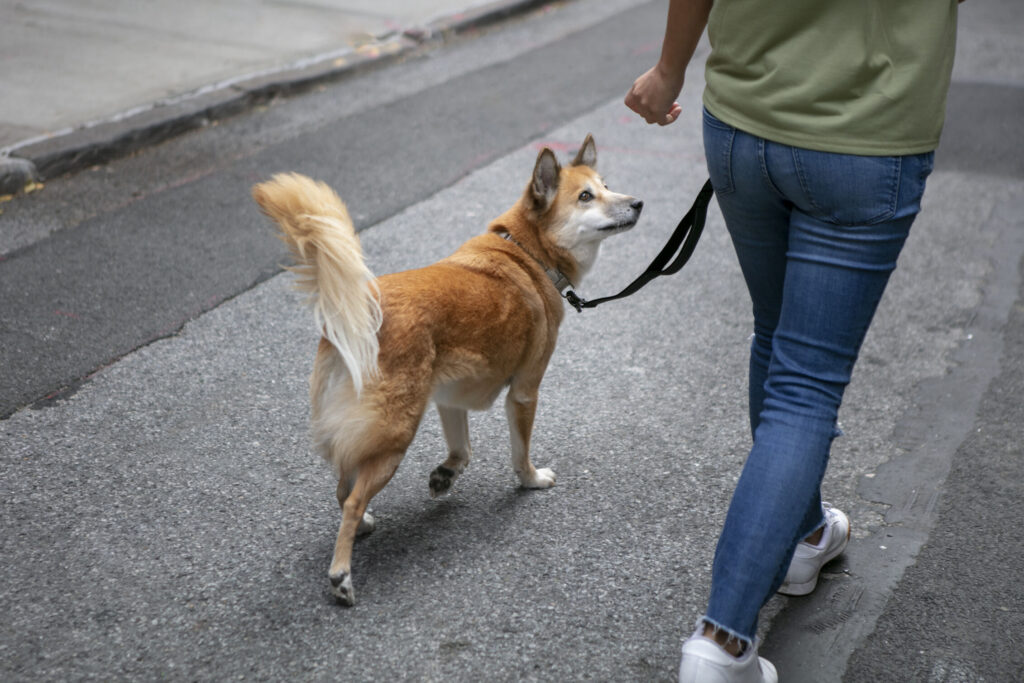
Pets have become more than household companions—they are now considered members of the family. As more Filipinos embrace pet ownership, cities are gradually adapting to meet the needs of both pets and their owners. From pet-friendly cafés and shopping malls to residential developments and public parks, urban spaces are becoming increasingly inclusive, reflecting a growing shift in how people experience city living.
This transformation goes beyond convenience. It highlights how businesses, communities, and city planners are recognizing the importance of creating environments that support modern lifestyles while strengthening the bond between people and their pets.
A Growing Lifestyle Trend
Pet ownership has steadily grown over the years, particularly among young professionals, families, and urban residents. This shift has encouraged businesses to rethink the experiences they offer, leading more establishments to welcome pets into their spaces.
Today, many shopping centers, restaurants, and outdoor venues across Metro Manila have introduced pet-friendly policies, making it easier for owners to include their pets in everyday activities.
The rise of these spaces reflects changing consumer preferences, where experiences are increasingly shared not only with family and friends but also with beloved pets.
Why Pet-Friendly Spaces Matter
Pet-friendly environments provide benefits that extend beyond accommodating animals.
Accessible parks, open spaces, and walkable communities encourage owners to spend more time outdoors, promoting physical activity and social interaction. According to the American Veterinary Medical Association (AVMA), responsible pet ownership and regular outdoor activities contribute to both human and animal well-being.
These shared spaces also help strengthen community connections by creating opportunities for neighbors and fellow pet owners to interact through common interests.
Businesses Are Responding to Changing Lifestyles
Across the Philippines, businesses have begun recognizing the growing demand for pet-friendly experiences.
Several shopping malls now provide designated pet parks, comfort stations, and pet-friendly common areas. Likewise, cafés and restaurants increasingly offer outdoor seating or dedicated spaces where customers can comfortably dine with their pets.
For businesses, welcoming pet owners represents more than a lifestyle trend—it is an opportunity to enhance customer experience, encourage longer visits, and foster stronger customer loyalty.
Supporting Healthier Urban Communities
Beyond convenience, pet-friendly spaces contribute to healthier and more livable cities.
Walking dogs encourages regular exercise, while spending time outdoors has been associated with improved mental well-being and reduced stress. Research published by the National Institutes of Health (NIH) also highlights the positive effects of the human-animal bond, including emotional support, companionship, and increased social engagement.
When cities invest in parks, green spaces, and pedestrian-friendly environments, both residents and their pets benefit from safer and more enjoyable public spaces.
The Future of Urban Living
As Philippine cities continue to grow, creating inclusive public spaces will become increasingly important.
Pet-friendly developments are no longer viewed as niche amenities but as features that contribute to a higher quality of life. Combined with walkable neighborhoods, accessible green spaces, and community-oriented design, these developments reflect a broader movement toward building cities that prioritize well-being for everyone—including four-legged companions.
Final Thoughts
The rise of pet-friendly spaces reflects more than changing consumer preferences—it represents a shift toward more inclusive, connected, and people-centered cities. As businesses, communities, and local governments continue to embrace pet-friendly initiatives, urban living becomes more welcoming for families, professionals, and pet owners alike.
In the years ahead, pet-friendly spaces may no longer be considered a luxury but an essential part of creating vibrant, livable cities where people and pets can thrive together.