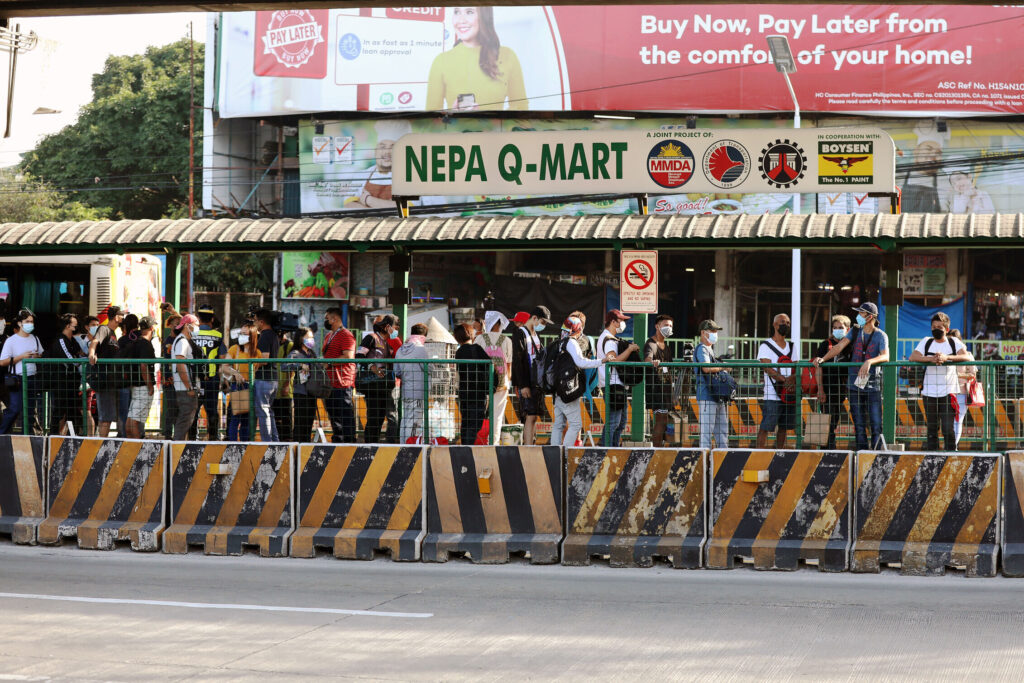
For many people living in Metro Manila, the day does not begin when they arrive at work or school. It begins while waiting for a jeepney, standing in a crowded train station, looking for a bus, or sitting in traffic on the way to a destination.
Commuting has become more than simply getting from one place to another. It affects how people plan their mornings, manage their money, spend time with their families, and decide where to live and work. For millions of Metro Manila residents, the daily journey is an important part of the urban experience.
The Commute Is Part of Everyday Life
Metro Manila’s transportation system connects residential communities with schools, offices, commercial centers, and other destinations across the region. For many residents, using multiple modes of transportation is simply part of the daily routine.
A typical journey may involve walking to a jeepney stop, transferring to a bus or train, and taking another ride before reaching the final destination. Each transfer adds another layer of waiting, navigating, and adjusting to changing road and transport conditions.
This makes commuting an experience that requires planning long before people reach their destination.
The Time Cost of Getting Around
One of the biggest challenges of commuting is the amount of time it can consume.
Time spent waiting for transportation, transferring between routes, or being delayed by congestion can take away from hours that could otherwise be spent resting, studying, working, or spending time with family.
This is why transportation is closely connected to quality of life. A long commute does not simply make a journey inconvenient. It can change how people structure their entire day.
For workers and students who travel daily, even small delays can accumulate into hours over the course of a week.
Commuting Also Has a Financial Cost
Transportation is also a regular part of household spending.
Although public transportation generally provides a more affordable option than private vehicles, daily fares can still become a significant expense, particularly for people who need to take several rides to reach work or school.
In 2026, the government introduced measures aimed at reducing transportation costs. The Department of Transportation announced a 50-percent fare discount for all passengers on MRT-3 and LRT-2 beginning March 23, while other initiatives, including free-ride programs, have also been introduced to help commuters manage transportation expenses.
These measures highlight how transportation costs remain an important concern for everyday commuters.
When Transportation Determines Where People Live
For many Metro Manila residents, transportation accessibility can influence where they choose to live.
Being close to an MRT or LRT station, a major bus route, or a reliable transport terminal can make a significant difference in the amount of time spent traveling each day.
Some residents may choose a smaller home that is closer to work or school rather than a larger and potentially cheaper home farther away. Others may consider proximity to transport hubs when deciding where to rent or purchase a property.
In this sense, transportation does not simply connect places. It can also influence residential decisions and the way people experience the city.
Technology Is Changing the Commuting Experience
Technology is gradually becoming part of the way Metro Manila residents navigate transportation.
Cashless payment systems are being introduced to make fare transactions more convenient. In July 2026, LRT-2 launched a cashless payment system that allows passengers to use contactless debit and credit cards, NFC-enabled mobile devices, and other digital payment options.
Digital navigation, ride-hailing applications, and online transport information can also help commuters plan their journeys and compare different routes.
These developments do not eliminate the challenges of commuting, but they show how technology can make certain parts of the experience more manageable.
Finding Alternatives to the Daily Traffic
As transportation costs and congestion remain concerns, commuters and government agencies are exploring different ways of moving around the metropolis.
In April 2026, the Metropolitan Manila Development Authority and transport agencies worked on a formal carpooling program intended to reduce fuel expenses and road congestion by encouraging people to share rides.
Meanwhile, the government has also outlined improvements to the railway system, including additional trains, longer operating hours, shorter queues, and ongoing rehabilitation of existing facilities.
These efforts reflect a broader reality: improving mobility requires more than simply adding vehicles to the roads. It also involves creating transportation options that are reliable, accessible, and connected.
The Search for More Livable City Travel
For commuters, a better transportation system is not simply about reaching a destination faster.
It can mean having enough time to eat breakfast at home, arriving at work with less stress, attending an evening class, spending dinner with family, or getting enough sleep before another day begins.
This is why transportation should be viewed as part of urban quality of life. The way people move around a city affects how they experience that city.
A transportation system that gives people more predictable and manageable journeys can give them something equally valuable: more time to live.
Final Thoughts
Commuting will continue to be part of everyday life in Metro Manila as long as people need to move between homes, schools, workplaces, and communities.
While new fare policies, digital payment systems, carpooling initiatives, and railway improvements can help address some challenges, the larger goal is to create a city where mobility does not consume an unreasonable amount of people’s time, money, and energy.
For Metro Manila residents, getting from one place to another should be more than a daily struggle to survive traffic. A truly livable city is one where transportation helps people spend less time simply trying to get somewhere—and more time actually living once they arri