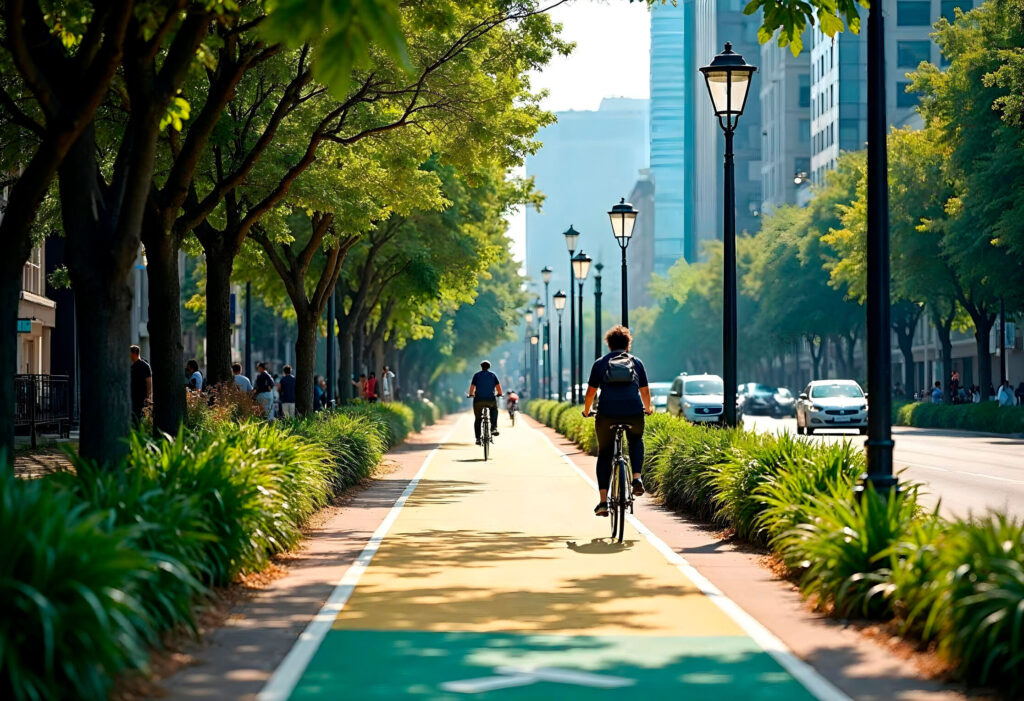
Imagine living in a neighborhood where your workplace, grocery store, healthcare services, cafés, parks, and fitness centers are all just a short walk or bike ride away. This is the idea behind the 15-minute community—an urban planning concept that’s gaining attention worldwide for making everyday life more convenient, sustainable, and people-centered.
In the Philippines, Ayala Land has highlighted this approach through its vision of creating communities where residents can access most of their daily needs within approximately 15 minutes. As cities continue to grow and traffic congestion remains a daily challenge, the concept offers a fresh perspective on how urban spaces can better serve the people who live in them.
A More Walkable Lifestyle
One of the biggest advantages of a 15-minute community is walkability. Instead of relying heavily on private vehicles for short trips, residents can simply walk or cycle to nearby destinations. This not only saves time but also encourages a more active lifestyle, helping people incorporate physical activity into their daily routines.
Walkable neighborhoods have also been associated with improved public health, stronger social interaction, and better overall quality of life.
Less Time in Traffic, More Time for Life
For many Filipinos, commuting often consumes several hours each day. Living closer to essential establishments means spending less time in traffic and having more time for family, hobbies, exercise, or simply getting enough rest.
Reducing travel time can also contribute to lower stress levels and a healthier work-life balance.
Supporting Local Businesses
When daily essentials are located within the community, residents are more likely to support neighborhood cafés, restaurants, retail stores, and service providers. Increased foot traffic helps local businesses thrive while creating more vibrant and economically active communities.
Encouraging Sustainable Urban Living
Walking, cycling, and using public transportation instead of driving can help reduce carbon emissions and improve air quality. As cities continue to explore more environmentally responsible solutions, mixed-use communities provide an opportunity to support sustainability without sacrificing convenience.
Stronger Community Connections
Public spaces become more meaningful when people spend more time outdoors. Parks, open spaces, sidewalks, and community areas encourage neighbors to interact, participate in local events, and build stronger social connections. These shared experiences contribute to a greater sense of belonging and make neighborhoods feel more welcoming.
The Future of Philippine Cities?
While no single urban model can solve every challenge faced by growing cities, the 15-minute community presents an exciting direction for future developments. By placing homes, workplaces, businesses, healthcare facilities, and recreational spaces closer together, cities can become more efficient, healthier, and better suited to modern lifestyles.
As developers and local governments continue exploring ways to improve urban living, the idea of creating more accessible and people-friendly communities may become an increasingly important part of city planning in the Philippines.
Final Thoughts
The concept of 15-minute communities goes beyond convenience—it’s about creating neighborhoods where people can live, work, shop, and connect without spending much of their day on the road. As more Philippine developments embrace walkability and mixed-use planning, residents may find that better city living isn’t necessarily about going farther, but about having everything they need closer to home.