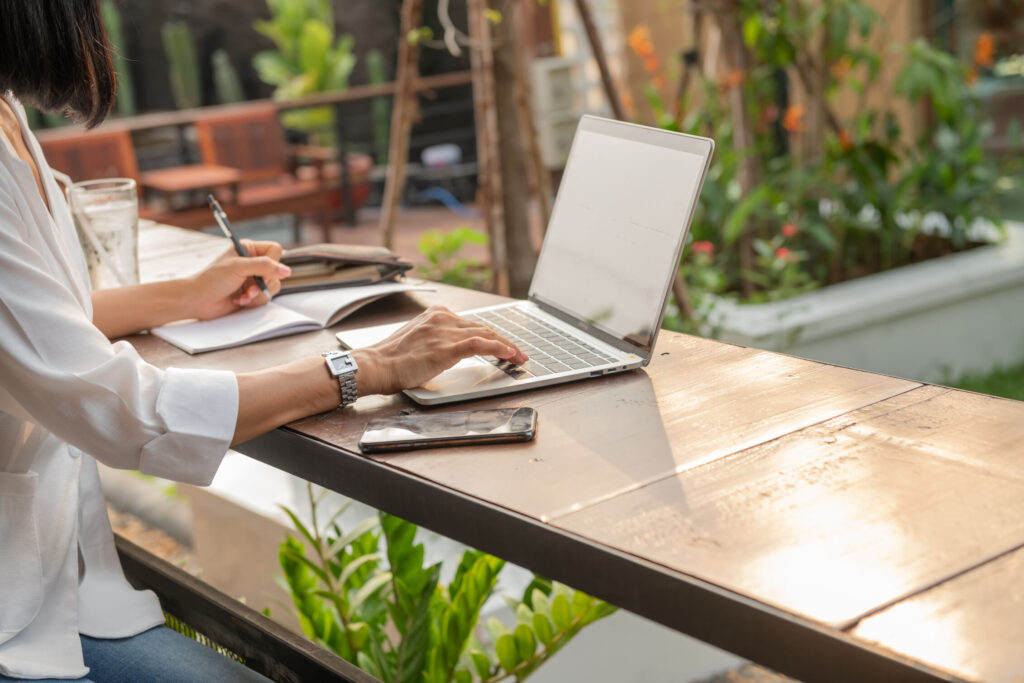
The way people work has changed significantly over the past few years. Traditional offices are no longer the only places where professionals can be productive. Across Philippine cities, flexible workspaces—from coworking hubs and cafés to mixed-use developments—are becoming an essential part of modern urban living.
As hybrid and remote work continue to reshape daily routines, these spaces are helping professionals, entrepreneurs, freelancers, and students find environments that balance productivity, convenience, and community.
A New Era of Urban Work
Flexible work arrangements have encouraged many Filipinos to rethink where work happens. Instead of commuting daily to traditional offices, more professionals are choosing locations that better suit their schedules and lifestyles.
Coworking spaces have expanded across Metro Manila and other major cities, offering reliable internet, meeting rooms, and collaborative environments that support individuals and growing businesses alike. At the same time, cafés and lifestyle establishments have evolved into informal workspaces where people can comfortably work while enjoying a more relaxed atmosphere.
Why Flexible Workspaces Continue to Grow
The growing popularity of flexible workspaces is driven by changing work habits and urban lifestyles.
Many professionals value flexibility, reduced commuting time, and access to work environments closer to home. Businesses also benefit by lowering operational costs while giving employees greater freedom in choosing where they work.
According to the International Workplace Group (IWG), flexible working continues to gain momentum worldwide as organizations recognize its positive impact on employee satisfaction, productivity, and work-life balance.
Supporting Productivity and Collaboration
Flexible workspaces offer more than desks and internet access.
These environments encourage networking, collaboration, and knowledge sharing among professionals from different industries. Entrepreneurs can connect with potential partners, freelancers can expand their professional networks, and startups gain access to communities that foster innovation.
Many coworking hubs also organize workshops, business events, and networking sessions that contribute to professional growth beyond everyday work.
Transforming Urban Communities
The rise of flexible workspaces is also influencing how cities are designed.
Mixed-use developments now combine residential buildings, offices, cafés, retail establishments, and coworking facilities within walkable communities. This integrated approach allows residents to access essential services, workspaces, and recreational areas without traveling long distances.
Real estate experts note that these developments respond to the growing demand for convenience while supporting more sustainable urban environments through reduced commuting and improved accessibility.
The Future of Work in Philippine Cities
As technology continues to evolve, flexible workspaces are expected to play an even greater role in shaping urban life.
Businesses are increasingly adopting hybrid work models, while cities continue investing in infrastructure that supports digital connectivity and community-centered developments. Flexible work environments are no longer viewed as temporary solutions—they have become part of how modern cities function.
Final Thoughts
Flexible workspaces reflect the changing relationship between work and city life. They provide opportunities for greater productivity, stronger professional communities, and healthier work-life balance while contributing to more connected and dynamic urban environments.
As Philippine cities continue to evolve, flexible workspaces are likely to remain an important feature of modern urban living, supporting both economic growth and the everyday needs of today’s workforce.