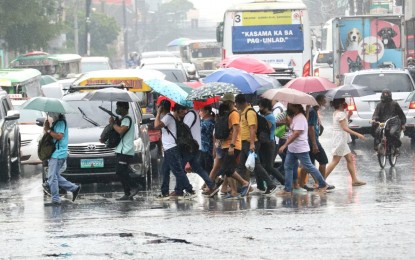
For people living in Metro Manila, the rainy season can change the rhythm of everyday life. A normal trip to work or school can suddenly take longer, familiar roads can become difficult to pass, and heavy rainfall can affect everything from transportation and electricity to household routines.
This is especially relevant as the southwest monsoon, or Habagat, continues to bring periods of heavy rain to parts of Luzon. In August 2026, intense monsoon rains caused flooding along several Metro Manila roads and disrupted daily activities across the region.
Understanding what usually happens during the rainy season can help city residents prepare before the weather becomes a problem.
The Rainy Season Is More Than Just Frequent Rain
The Philippine rainy season does not necessarily mean that it will rain continuously every day.
According to PAGASA, the rainy season began in June 2026 in the western sections of Luzon and the Visayas as occasional to frequent rains associated with the Southwest Monsoon became more persistent. PAGASA also noted that periods of reduced rainfall, or monsoon breaks, can occur during the season.
For Metro Manila residents, this means weather conditions can change quickly. A relatively clear morning can be followed by intense afternoon or evening rainfall, making it important to check weather forecasts rather than relying only on what the sky looks like before leaving home.
Flooding Can Change the City Quickly
One of the most noticeable effects of heavy rain in Metro Manila is flooding.
Because the metropolis has extensive paved and built-up areas, rainfall can quickly create runoff, particularly when drainage systems become overwhelmed. Low-lying areas and locations near waterways can be especially vulnerable.
Recent Habagat rains demonstrated how quickly conditions can change. Flooding was reported along several major roads in Metro Manila on August 10, affecting transportation and making some routes difficult to pass.
For residents, this means a familiar route may not always be the safest or fastest route during severe weather.
Expect Changes to Your Daily Commute
Rainy weather can make commuting significantly more unpredictable.
Flooded roads can slow down buses, jeepneys, cars, and motorcycles, while heavy rain can make walking between transport stops more difficult. Some routes may also become temporarily inaccessible.
This can turn a journey that normally takes an hour into a much longer trip.
During periods of severe weather, commuters should check weather, traffic, and transportation updates before leaving. It can also help to know alternative routes and nearby transport options instead of relying on a single route every day.
For students and employees, checking announcements about class or work arrangements can also prevent unnecessary travel during dangerous conditions.
Public Transport May Become More Difficult to Navigate
Rain affects more than road traffic.
Passengers may encounter longer queues at transport terminals and train stations as people adjust their travel plans. Walking between stations and other modes of transportation can also become more challenging when sidewalks and streets are wet or flooded.
This is why rainy-season commuting requires additional time and flexibility.
Leaving earlier may sometimes help, but during severe flooding, simply leaving earlier is not always the safest option. Residents should pay attention to official advisories and avoid entering areas where floodwaters are already rising.
Floodwater Is a Safety Concern, Not Just an Inconvenience
It can be tempting to treat shallow floodwater as something that simply needs to be crossed.
However, floodwater can hide open manholes, uneven pavement, debris, electrical hazards, and other dangers. Fast-moving water can also become dangerous even when it does not appear particularly deep.
PAGASA’s flood-warning system distinguishes between different levels of risk, from situations where flooding is possible to warnings where immediate action or evacuation may be necessary.
Residents should therefore avoid walking or driving through floodwaters whenever possible, particularly when the water is moving or its depth cannot be determined.
Homes Need Extra Attention During Heavy Rain
Rainy weather also changes the way residents need to manage their homes.
Before periods of heavy rainfall, it is useful to check drains, gutters, windows, roofs, and other areas where water may enter. Important documents, electronics, and other valuables can be moved to higher locations if flooding is possible.
Residents should also keep basic emergency supplies accessible. These can include drinking water, ready-to-eat food, flashlights, batteries, power banks, medicines, and waterproof containers for important documents.
For condominium and apartment residents, knowing the building’s emergency procedures, exits, and designated evacuation areas is equally important.
Power Interruptions Can Be Part of the Problem
Severe weather can also affect electricity.
Strong winds, flooding, and other weather-related problems can contribute to power interruptions, making preparation particularly important for households that rely heavily on electricity and mobile connectivity.
Keeping phones and power banks charged before severe weather arrives can help residents stay connected to emergency information.
Electrical safety is especially important around floodwater. Residents should avoid touching electrical equipment or outlets that may have come into contact with water and should follow instructions from authorities or utility providers.
Rainy Weather Can Also Affect Health
The rainy season can create conditions that require additional attention to health and hygiene.
Wet environments, stagnant water, crowded transportation, and sudden changes between hot and rainy conditions can make daily routines more uncomfortable.
Residents should keep themselves dry when possible, maintain good hygiene, and avoid unnecessary exposure to contaminated floodwater.
People with existing health conditions, young children, older adults, and other vulnerable individuals may require additional consideration during prolonged periods of severe weather.
Knowing Where to Get Reliable Weather Information Matters
One of the easiest ways to prepare for the rainy season is to know where to get accurate information.
PAGASA provides weather forecasts, rainfall warnings, flood information, tropical cyclone advisories, and other monitoring tools. Its website also provides dedicated flood monitoring for Metro Manila and surrounding areas.
Residents should prioritize official government advisories over unverified posts circulating on social media.
This becomes particularly important when deciding whether to travel, evacuate, or stay indoors.
Preparation Starts Before the Rain
The most important lesson of rainy-season living is that preparation works best before flooding or severe weather begins.
Knowing which roads around your home, school, or workplace tend to flood can help you make better decisions. Families can also discuss where to go in case evacuation becomes necessary and identify the safest routes to reach higher ground or designated evacuation centers.
PAGASA’s flood information system emphasizes different stages of awareness, preparedness, and response depending on the severity of the flooding situation.
The earlier residents understand these risks, the more time they have to respond calmly.
Final Thoughts
The rainy season is part of life in Metro Manila, but living through it does not have to mean being caught unprepared.
As recent Habagat rains have shown, weather conditions can quickly affect roads, transportation, homes, and communities across the metropolis.
For residents, the goal is not simply to find ways to continue with their routines despite the rain. It is to understand how the city responds to severe weather and make informed decisions about when to travel, when to adjust plans, and when it is safer to stay home.
Because in a city where a few hours of heavy rain can change the way people move and live, knowing what to expect is already an important part of being prepared.