
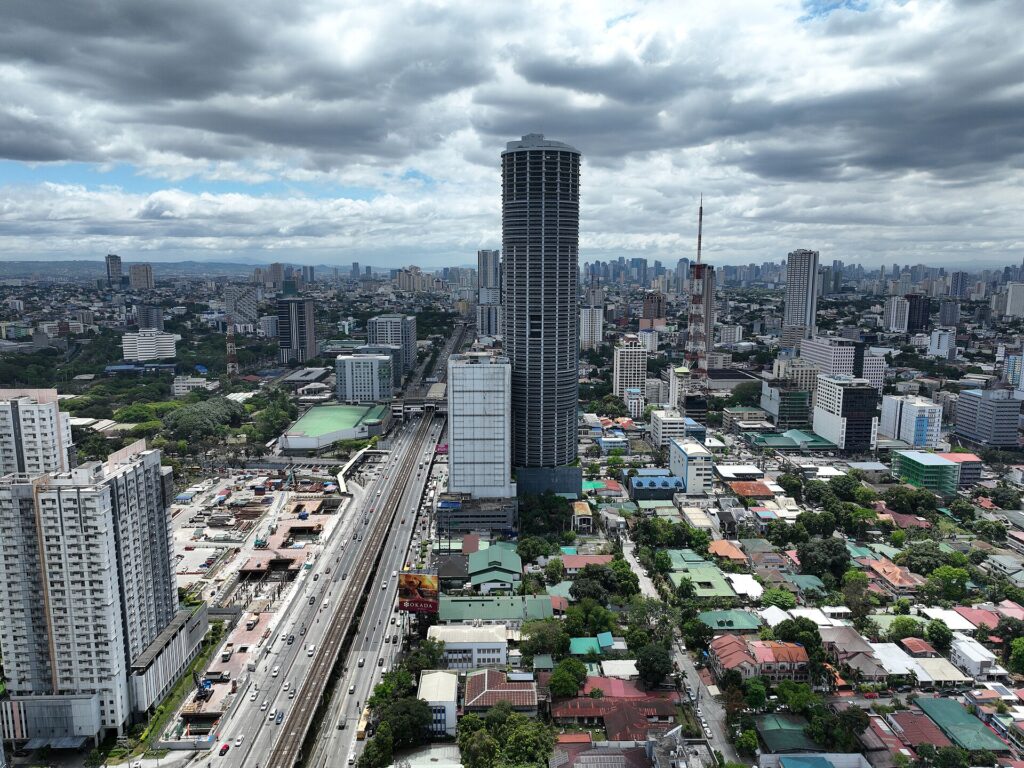
The 15-minute city concept is gaining attention in the Philippines as urban planners, local governments, and property developers explore ways to make communities more accessible, sustainable, and convenient for residents.
The urban planning model envisions neighborhoods where people can reach essential services—including groceries, schools, health facilities, workplaces, parks, and recreational spaces—within a 15-minute walk or bicycle ride from home. Popularized by Sorbonne University professor Carlos Moreno, the concept aims to reduce long commutes and improve residents’ quality of life.
Quezon City was among the first local governments in the country to formally explore the approach. In 2023, the city announced plans to study and pilot the concept at the barangay level, drawing inspiration from Paris’ walkable neighborhoods and aligning the initiative with its goal of achieving carbon neutrality by 2050.
Private developments have also incorporated elements of the model. Filinvest City, SM’s MyTown development in Pasay, and mixed-use districts such as Bonifacio Global City and New Clark City have been cited as examples of communities that bring residential, commercial, and other facilities closer together. Features such as bike lanes, pedestrian-friendly streets, and electric vehicle services can help reduce dependence on private cars.
Study Shows Strong Interest in Accessible Communities
Research cited in the Daily Tribune report suggests that many Metro Manila residents want more services within their neighborhoods. A survey of 420 residents by urban planner Anna Mae Yu Lamentillo found that 82 percent preferred to meet their daily needs within their immediate community.
However, the study also identified a gap between residents’ preferences and their actual experiences. About 76 percent of respondents said they still traveled farther than necessary because their neighborhoods lacked adequate options. Groceries, clinics, and schools were identified by 92 percent as among the services most important to their quality of life.
A related feasibility study found that transforming Metro Manila into a network of 15-minute neighborhoods could be possible, although the process would face challenges such as high development costs, fragmented governance, and the continued reliance on private vehicles. The transition could take at least eight years for existing neighborhoods, according to the report.
Researchers Explore How to Measure Accessibility
Researchers are also developing ways to assess how closely Philippine cities meet the 15-minute city ideal. A study in Pasig City created an index that evaluates accessibility across six functions: living, working, supplying, caring, learning, and enjoying.
The index considers walkability and differences in walking speeds across age groups. Researchers said the approach could provide a framework for evaluating accessibility in other Philippine cities.
Transport and Urban Planning Remain Key Challenges
Rising fuel costs have strengthened calls for more compact, walkable communities, as long commutes and heavy dependence on private vehicles place additional pressure on household budgets. The experience of the COVID-19 pandemic also highlighted the value of having essential services nearby when movement becomes restricted.
However, applying the model in the Philippines requires consideration of local transport systems, including jeepneys, tricycles, buses, and railways. Urban planners say these modes should be integrated into local strategies rather than replaced by walking and cycling alone.
A single approach may not work for every community. Dense urban districts, outer suburbs, and informal settlements have different needs and infrastructure limitations, making localized planning essential.
The broader goal of the 15-minute city concept is to make everyday life more accessible by bringing essential services closer to residents. For Philippine cities, progress will depend on practical urban planning, reliable public transportation, accessible public spaces, and coordinated efforts among local governments, communities, and developers.